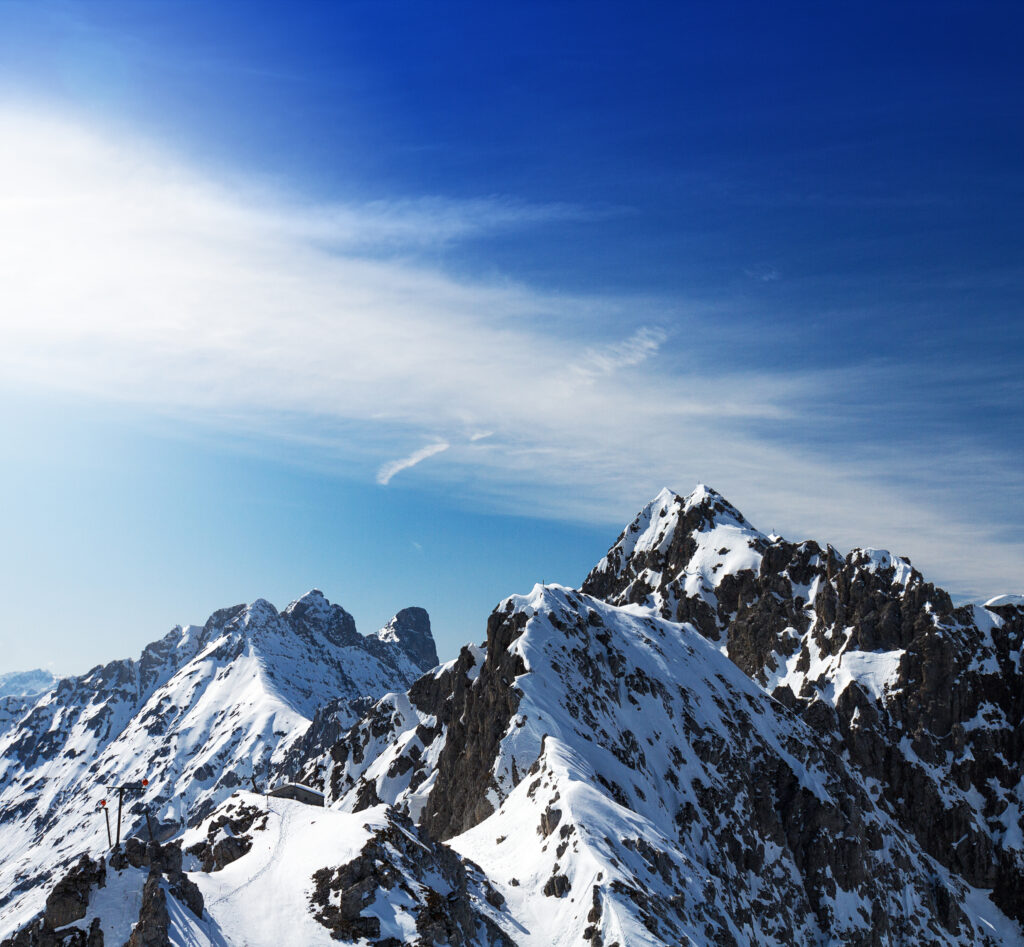
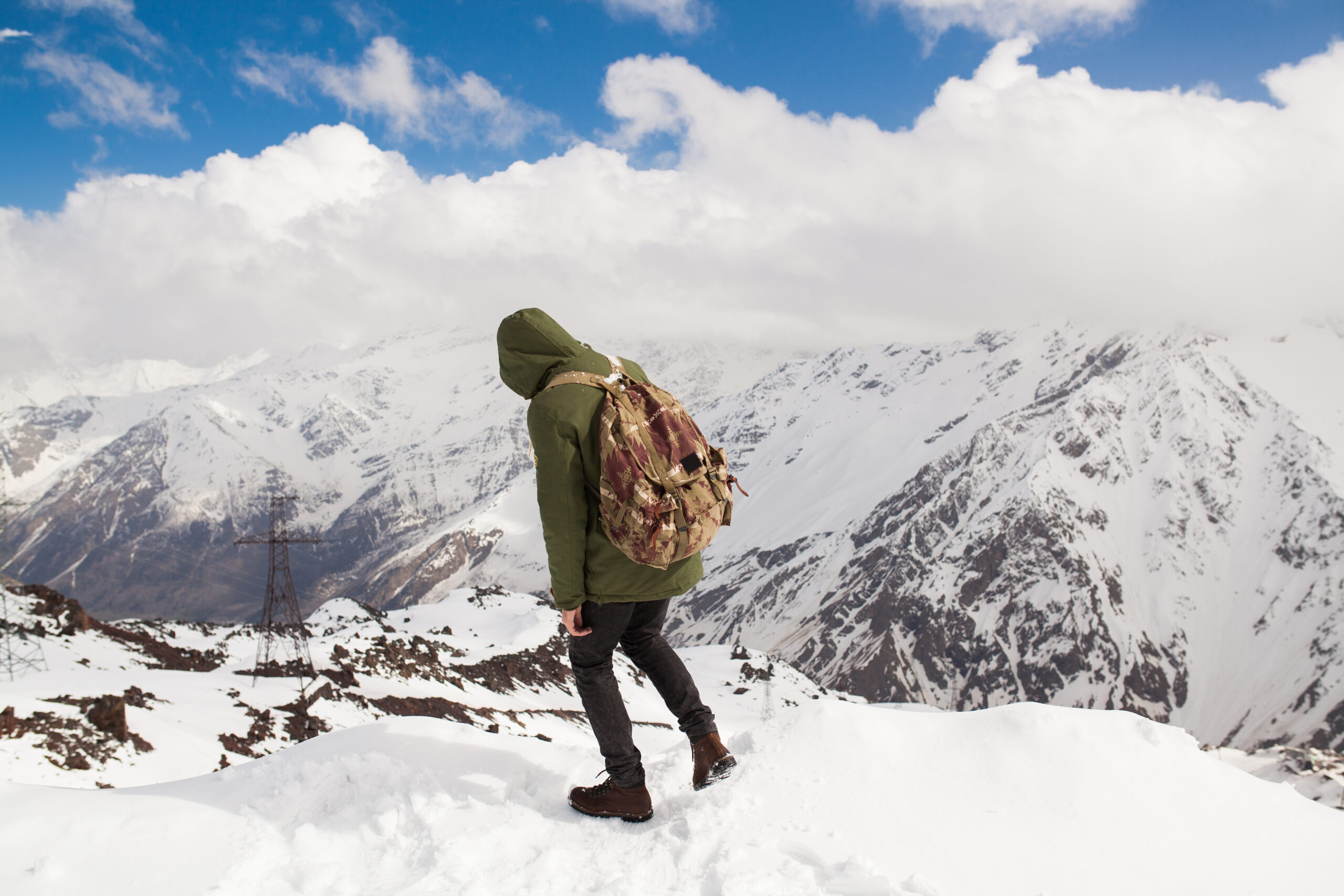
Altitude sickness, also known as Acute Mountain Sickness (AMS), occurs when the body struggles to adjust to lower oxygen levels at high elevations. It is common in destinations like Ladakh and Spiti.
Common Symptoms of Altitude Sickness
Symptoms may include headaches, nausea, dizziness, fatigue, and shortness of breath. These usually appear within the first day of reaching higher altitudes.
Recognizing early signs is important to prevent serious complications.
Prevention and Acclimatization
Proper acclimatization is the most effective way to prevent altitude sickness. Spend at least 24 hours resting after reaching elevations above 2,500 meters. Stay hydrated and avoid alcohol during the first few days.
Ascending gradually rather than rapidly reduces the risk significantly. Eating light meals and maintaining a steady pace while trekking also helps your body adapt.
What to Do If Symptoms Appear
If symptoms develop, rest immediately and avoid climbing higher. If conditions worsen, descending to a lower altitude is necessary. Seek medical attention if symptoms become severe.
Taking precautions and listening to your body ensures a safe and enjoyable high-altitude journey.
Altitude sickness is manageable if you take precautions. Listen to your body and never ignore serious symptoms.